Full-Service Architecture in Marietta for Mixed-Use Developments
Transform Your Business With Creative Commercial Architecture Solutions
Forward-thinking commercial architecture serves a critical function in driving business success. By seamlessly integrating functionality with aesthetics, it enhances both productivity and brand identity. Sustainable design practices not only lower operational costs but also create healthier work environments. As businesses evolve, so do their spatial needs. Understanding how architecture influences these dynamics can reveal new potential for growth and collaboration. The observations presented ahead will delve deeper into these important topics.
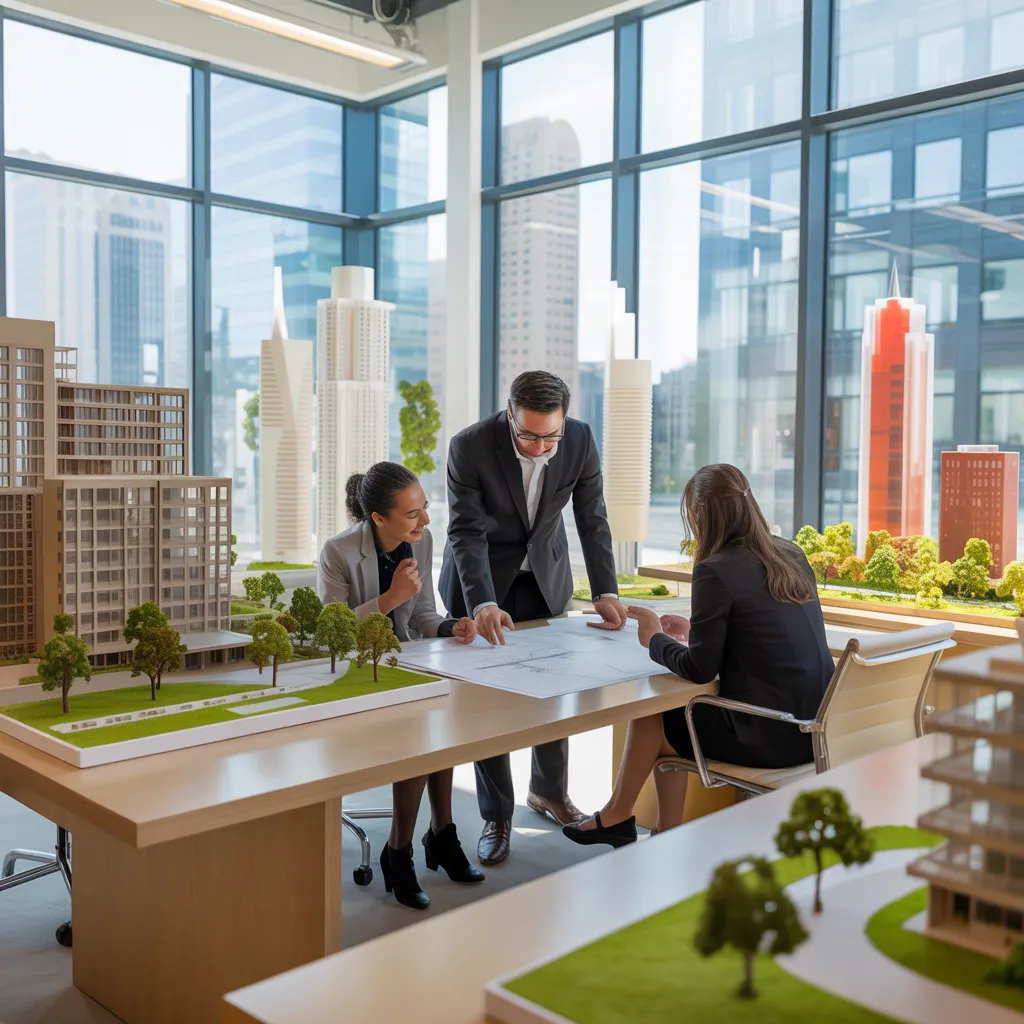
Why Your Business Needs Innovative Commercial Architecture
Groundbreaking business-focused architecture revolutionizes the way companies operate and engage with their spaces. This approach highlights not just aesthetics but practical utility, developing spaces that improve productivity and collaboration. By adopting eco-friendly methods and cutting-edge technologies, organizations can reduce operational costs while resonating with sustainability-focused clients.
Additionally, original design approaches establish compelling brand presences that appeal to customers and elevate workforce morale. The design of a working space can considerably impact productivity and innovation, making cutting-edge architecture essential for maintaining a competitive edge in today's business landscape.
As organizations develop, the demand for flexible spaces grows increasingly important. Forward-thinking commercial architecture enables flexible design solutions, addressing future development and evolving operational demands. Essentially, it delivers a decisive benefit by harmonizing physical environments with broader business goals, ultimately driving success and fostering a strong connection between the business and its community.
Fundamental Features of High-Impact Commercial Architecture
High-impact commercial architecture is defined by multiple critical features that elevate both practicality and aesthetic value. Key elements include effective space planning that maximizes usability, green design strategies that lessen environmental impact, and compelling aesthetics that draw in and captivate clients. Together, these features create a dynamic environment that supports business objectives and fosters a positive user experience.
Functional Space Planning
Strategic functional space planning converts commercial architecture into a valuable asset for businesses. By prioritizing efficient layouts, it optimizes workflows and enhances productivity. This approach entails evaluating the unique requirements of a business and distributing space appropriately, guaranteeing that zones for collaboration, concentration, and storage are carefully planned. Effective commercial architecture features versatile spaces that adjust to evolving demands, permitting businesses to develop without costly structural changes. Furthermore, seamless navigation and accessibility serve as essential elements, cultivating a welcoming environment for both employees and clients. At its core, purposeful space planning not only enhances the utilization of square footage but also cultivates a dynamic atmosphere that resonates with the brand's identity, driving overall business achievement and employee well-being.
Environmentally Conscious Design Strategies
Incorporating sustainable design practices is critical for modern commercial architecture, as it highlights ecological accountability while elevating the aesthetic and functional qualities of a space. These practices often encompass using eco-friendly materials, improving energy performance, and integrating renewable energy sources. Furthermore, sustainable designs promote water efficiency and enhanced indoor air quality through advanced airflow solutions and green roofs. Implementing these strategies not only lowers a structure's environmental impact but also decreases long-term operating expenses. Beyond that, green building design fosters a healthier environment for inhabitants, resulting in greater output and overall wellness. As companies understand the value of sustainable business practices, adopting sustainable design principles becomes a crucial aspect of effective commercial construction, harmonizing business interests with sustainable practices.
Appealing Aesthetic Visuals
A commitment to eco-friendly design approaches frequently results in a deeper understanding of aesthetic visual appeal in business architecture. This relationship produces environments that not only fulfill functional requirements but also harmonize with their environment. Components like sunlight, sustainable materials, and vegetation enrich a structure's visual appeal, enhancing its visual impact. A beautifully designed structure attracts clientele and cultivates an uplifting atmosphere for employees. Design elements such as original building faces, inventive designs, and balanced color arrangements can substantially improve a brand's identity. In the end, incorporating visual attractiveness into eco-friendly structures not only showcases a commitment to environmental responsibility but also guarantees that the structure stands out in a demanding commercial landscape, thus strengthening the company's reputation and principles.
Selecting the Right Commercial Architecture Partner for Your Requirements
What is the best way to find the ideal commercial architectural firm for their project? This process begins with identifying specific project needs and goals. A comprehensive assessment of candidate partners should include copyrightining their project portfolios, focusing on their industry experience and creative approach. References and client feedback can shed light on their dependability and ability to collaborate.
Next, copyrightining the company's proficiency in sustainable practices and relevant regulations is vital. Communication and project management skills also carry great weight; a partner should show the capacity to communicate concepts effectively and ensure regular updates on progress.
Financial compatibility is another key element, as clear pricing structures can avoid potential disputes. Participating in preliminary meetings provides insight into compatibility and reveals the firm's problem-solving methodology. In the end, choosing a commercial architecture partner requires a comprehensive evaluation of professional credentials, working relationships, and compatibility with project goals.
Outstanding Design Case Studies in Commercial Architecture
One noteworthy copyrightple showcases a retail store that utilized biophilic design principles, including natural elements such as light and greenery. This approach enhanced customer experience and increased foot traffic, which translated into increased sales.
Moreover, a leading tech company's office space displayed an open workspace design that facilitated collaboration among staff, significantly enhancing employee satisfaction and overall productivity. Such copyrightples illustrate how purposeful architectural planning can uplift organizations, improve functionality, and develop appealing environments that appeal to employees and visitors, thus accelerating growth and achievement in the business landscape.
How Sustainable Design Makes a Difference for Your Brand?
As many brands strive to differentiate themselves in a crowded marketplace, integrating sustainable design can greatly enhance their identity and appeal. Businesses that place emphasis on green initiatives frequently appeal to environmentally aware customers, building lasting loyalty and deepening consumer trust. Sustainable design not only reflects a brand's commitment to social responsibility but also establishes it as an innovative and visionary force within its sector.
Additionally, eco-friendly building design often leads to cost savings as a result of energy efficiency and reduced operational expenses. This tangible advantage aligns with the strengthened public perception, as buyers progressively prefer enterprises that display a sincere devotion to environmental responsibility.
As rules governing environmental consequences tighten considerably, businesses implementing sustainable design practices can stay ahead of compliance challenges. At its core, embracing sustainability in architecture acts as a forward-thinking investment, strengthening core brand principles while appealing to an expanding consumer base, thereby fostering sustained growth and significance in a rapidly evolving marketplace.
How Thoughtful Architecture Maximizes Employee Productivity
A well-designed workspace plays a significant role in boosting employee productivity. Deliberate architecture addresses factors such as natural light, floor plan design, and noise control, which directly influence workplace efficiency. Environments designed around open layouts encourage collaboration, while reserved private spaces support focused work, creating equilibrium between teamwork and individual tasks.
Incorporating nature-inspired features, such as greenery and exterior vistas, can minimize stress while enhancing creative thinking, thereby improving overall productivity. The design of ergonomic furniture additionally promotes worker comfort, reducing fatigue and promoting extended periods of concentrated effort.
In addition, versatile work environments that accommodate different activities foster engagement and innovation. By understanding and implementing these architectural principles, businesses can create environments that not only enhance productivity but also support employee well-being. Ultimately, investing in thoughtful architecture is a strategic move that aligns employee satisfaction with organizational success.
Emerging Trends in Commercial Architecture Worth Watching
What transformative changes are shaping the future of commercial architecture? One significant trend is the increasing focus on sustainability. Architects are integrating eco-friendly materials and energy-efficient designs to reduce carbon footprints and promote environmental stewardship. Furthermore, biophilic design is growing in popularity, highlighting natural elements to boost well-being and productivity in workspaces.
One notable development is the emergence of flexible and adaptive spaces. As organizations adapt and develop, the need for versatile spaces that can easily be reconfigured is proving essential. This adaptability supports varied working methods and team collaboration.
Moreover, innovations in technology, such as smart building systems and virtual reality, are transforming design and construction processes. Such advancements empower architects to craft spaces that are more efficient, responsive, about Salt of the Earth Inc. and user-centric.
Frequently Asked Questions
What Costs Come With Innovative Commercial Architecture Services?
The expenses related to cutting-edge commercial architectural services typically include project management, design fees, materials, labor, and permits. These costs may differ depending on project complexity, location, and specific client requirements, impacting the total budget framework.
What Is the Average Timeframe for Completing a Commercial Architecture Project?
An average commercial architecture project generally takes anywhere from six months to two years to be completed, influenced by factors including project complexity, size, client requirements, and regulatory approvals, which can significantly impact the overall timeline.
What Role Does Technology Play in Modern Commercial Architecture?
Technology greatly advances modern commercial architecture by refining and accelerating design procedures, enhancing teamwork via Building Information Modeling (BIM), supporting detailed and exact simulations, and promoting environmentally responsible methods. Such developments consistently result in greater efficiency, creativity, and affordability in architectural solutions.
How Well Can Commercial Architecture Adapt to Shifting Business Needs Over Time?
Yes, commercial building design can adapt to shifting organizational demands throughout its lifespan. Through flexible designs, scalable building components, and advanced technological incorporation, buildings can be modified to address dynamic business demands, guaranteeing sustained operational efficiency and practicality in a constantly evolving professional setting.
What Are the Key Benefits of Engaging Employees in the Design Process?
Including staff members in the development process fosters teamwork, increases engagement, and nurtures original thinking. Their contributions can result in workable outcomes, cultivating a sense of accountability and boosting workplace productivity within the work environment.